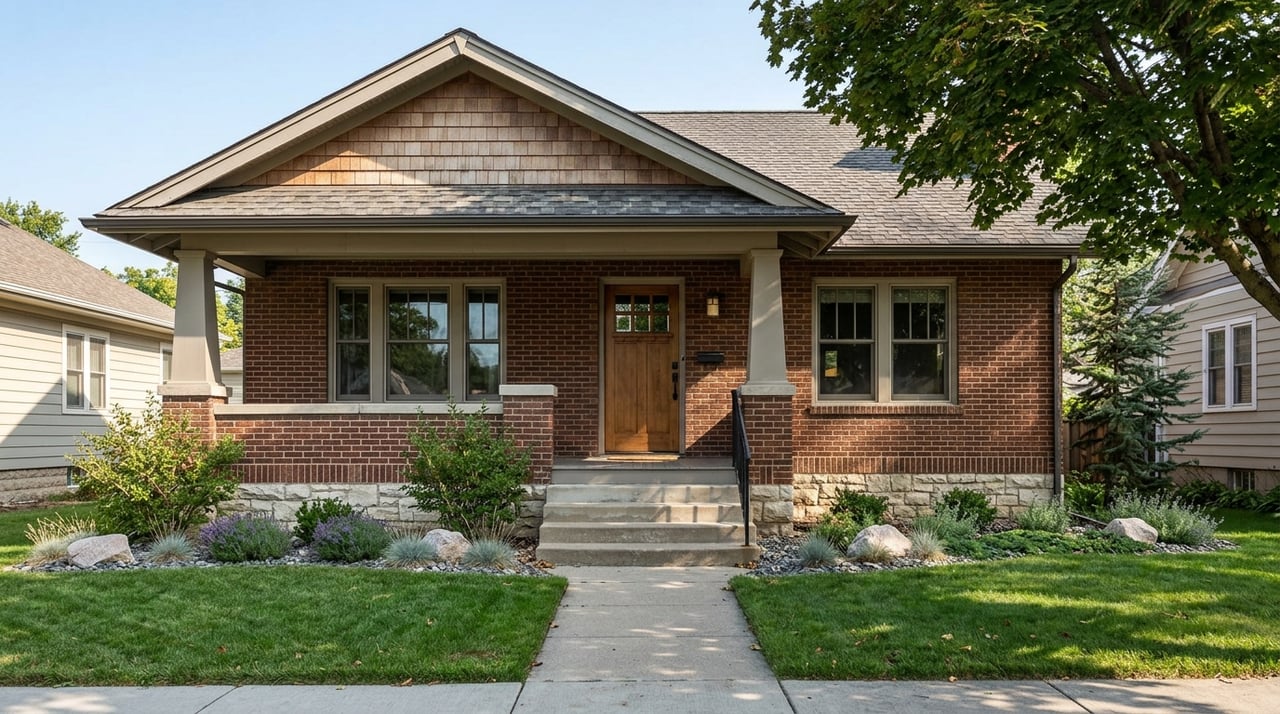
Buying a historic home in Ogden can feel exciting and a little intimidating at the same time. You may love the original woodwork, the front porch, or the character you just do not find in newer construction, but you also want to avoid surprises after closing. This guide will help you understand how Ogden’s historic-home rules, renovation realities, and budgeting factors can affect your purchase so you can move forward with more confidence. Let’s dive in.
Why Ogden historic homes stand out
Ogden’s historic character is closely tied to its railroad past. When the railroad arrived in 1869, the city became a major junction, which helps explain why so many older buildings and homes are still concentrated in established parts of town.
Today, Ogden identifies three official historic districts: 25th Street, Eccles, and Jefferson. The city also maintains a separate list of historic sites and buildings of significance, which means a home can feel historic in style but have a different legal status than a formally designated property.
Where you will see the most older homes
One of the most important areas for buyers is East Central. Ogden describes this area as the section between Adams and Harrison and 20th and 30th Streets, and it says this is the city’s most concentrated area of older homes and commercial structures.
East Central was designated as the Central Bench National Historic District in 2003. The city’s planning documents also note that the neighborhood saw major growth from the 1910s through the 1930s, including more than 800 bungalows that make up about 36% of the neighborhood’s buildings.
Historic in Ogden can mean many styles
In Ogden, a historic home does not mean just one look. The city references Victorian-era homes, Queen Anne, Eastlake, Victorian Eclectic, Prairie style, Four Square, English Tudor, bungalows, and later postwar housing in its East Central planning materials.
That variety matters because your home’s era, style, and official designation can affect what kinds of updates are easier to complete. Two homes on nearby blocks may look similar at first glance, but the review process and zoning standards may not be the same.
Check the home’s status first
Before you make an offer, ask a simple but very important question: is the home just old, or is it a designated or formally nominated historic resource? In Ogden, that distinction can affect whether you need additional approval before certain work can begin.
The city requires a Certificate of Historic Appropriateness before it will issue permits for work affecting a designated or formally nominated historic resource or district on the city register. This can apply to rehabilitation, alterations, additions, signs, demolition, and new accessory buildings.
Why local designation matters
A home can have historic charm without being subject to the same local review as a designated property. Ogden’s code says the Landmarks Commission reviews applications affecting visually or structurally designated or formally nominated resources, including permits handled by building services.
For many buyers, the biggest practical takeaway is that exterior work is usually where local review matters most. The commission generally does not focus on interior arrangement or interior features unless the interior itself has been designated.
Understand East Central’s added rules
If you are looking in East Central, pay close attention to special zoning provisions. In this area, Ogden has additional standards that can affect what owners do with the exterior of a home.
For example, the city limits painting or covering brick exteriors unless the building was already painted or recovered before 2010. The area also has rules related to exterior materials, maximum building sizes, roof pitches for new construction, and front-yard fencing designs.
That means two homes in the same broad historic area may come with different expectations depending on their location and status. It is smart to verify these details early instead of assuming your future project will be treated like a standard remodel.
Expect more paperwork for exterior projects
If your plans include exterior updates, prepare for more documentation than you might expect on a typical home. Ogden’s application for a Certificate of Historic Appropriateness asks for photographs, scaled site plans, working drawings, elevation drawings, and material samples when possible.
This review process also runs on a set schedule. The application deadline is the first Thursday of the month at 5:00 p.m., and the Landmarks Commission meets monthly on the fourth Thursday at 4:30 p.m.
Plan around review timelines
Historic projects can take longer because approvals do not always happen immediately. Under Ogden’s code, the commission has up to 30 days after filing to issue a certificate if the application complies.
Approvals also are not open-ended. If a building permit is not substantially acted on within 18 months, the approval expires. If the commission denies an application or adds conditions, an appeal may be made to the mayor within 30 days.
Inspection priorities for older homes
A standard home inspection is important, but with a historic home, it should usually be the starting point rather than the finish line. Older homes often do best with a maintenance-first approach, and preservation guidance emphasizes repair and ongoing care over unnecessary replacement.
One of the biggest issues to watch is moisture. Preservation guidance from the National Park Service says uncontrolled moisture is the most common cause of deterioration in older and historic buildings.
Ask closer questions about the building envelope
When you evaluate a historic home, pay close attention to the roof, gutters, flashing, grading, and ventilation. These may sound like ordinary maintenance items, but in an older home they can have a major effect on the long-term condition of the house.
It is also worth asking whether past repairs were done with compatible materials. Some quick fixes can speed up deterioration instead of solving the problem, especially when they trap moisture or do not work well with original materials.
Windows deserve special attention
Historic windows are one of the most common decision points for buyers. If a home still has older windows, you may wonder whether they should be replaced right away.
Preservation guidance says repair should be the first option considered for historic windows. If replacement is necessary, the new work should match the old in design, color, texture, and where possible, materials.
In some cases, better energy performance can come from storm windows, weatherstripping, or glazing and sash improvements rather than full replacement. That can be helpful when you are trying to balance comfort, cost, and the home’s original character.
Budget for more than cosmetic updates
A historic home budget should go beyond paint colors and fixtures. Utah’s historic-preservation tax-credit fact sheet gives a useful picture of the kinds of rehabilitation work often involved in these properties.
Examples include repairing or upgrading windows, repointing masonry, repairing or replacing roofs, electrical updates, new furnace or air-conditioning equipment, plumbing repairs and fixtures, reconstructing historic porches, and compatible new kitchens and baths. In other words, the work often includes major systems and structural upkeep, not just design changes.
Not every expense counts the same
That same Utah guidance also lists work that generally does not count toward the state credit. The purchase price, new additions, outbuildings, movable furnishings, and site work such as landscaping, sidewalks, fences, and driveways are generally not eligible.
That distinction matters when you build your budget. A project may include both necessary preservation work and personal upgrades, but not all of it may qualify for incentive dollars.
Lead-safe renovation matters
Many older Ogden homes may contain lead-based paint. According to the EPA, 87% of homes built before 1940 have some lead-based paint, and 24% of homes built between 1960 and 1978 have some.
For most residential housing built before 1978, sellers and landlords must disclose known lead-based paint or hazards and provide the approved lead hazard pamphlet. If you are buying an older home, review those disclosures carefully and ask questions before planning any renovation.
Ask contractors about certification
If you plan to disturb painted surfaces in a pre-1978 home, contractor qualifications matter. The EPA says firms performing renovation, repair, and painting projects in pre-1978 homes must be certified and follow lead-safe work practices.
Before demo, sanding, repainting, or window work begins, ask contractors whether they are EPA-certified for lead-safe renovation work. That step can help protect your household and keep your project on track.
Financing options and tax credits
If you are buying a historic home that needs work, financing may look different than a standard purchase. HUD’s Section 203(k) program is one option to know because it insures mortgages that can cover both the purchase or refinance and the rehabilitation of a home that is at least one year old.
Under that structure, part of the loan goes to the seller or prior mortgage, and rehabilitation funds are held in escrow until the work is completed. For some buyers, that can create a more practical path when the home needs significant updates.
Utah’s state historic tax credit
Utah also offers a 20% non-refundable state income tax credit for qualifying rehabilitation of historic buildings used as owner-occupied residences or residential rentals. According to Utah SHPO, buildings listed in the National Register of Historic Places can qualify if they are used as residences after rehabilitation.
There are important requirements. The project must be approved by SHPO before completion, total rehabilitation expenses must exceed $10,000, and the project must be completed within 36 months of preapproval.
This credit is not automatic just because a property is locally historic. Utah’s guidance says a separate SHPO application and approval are still required, and the work must meet the Secretary of the Interior’s Standards for Rehabilitation. Any excess credit can be carried forward for up to five years.
Expect a longer project timeline
One of the most important things to know before buying a historic home in Ogden is that projects often move in stages. You may need to confirm designation status first, obtain any local certificate if required, coordinate preservation-aware and lead-safe contractors, and then complete work needed for financing or tax-credit approval.
Because Ogden uses a monthly review cycle for certain historic applications and Utah requires preapproval for the state credit, a historic-home project can easily take longer than a standard cosmetic remodel. That does not mean it is not worth it. It just means your planning should be realistic from the start.
Buying with confidence in Ogden
A historic home in Ogden can offer real charm, strong identity, and a connection to the city’s past that is hard to duplicate. Areas like East Central, Eccles, Jefferson, and other designated historic parts of the city give buyers access to a wide range of architectural styles and a strong sense of place.
The key is to go in with clear eyes. Verify the home’s official status early, understand whether exterior work may need review, inspect carefully for moisture and system issues, and ask the right questions about contractor qualifications, financing, and incentives.
When you do that, you can enjoy the character of an older home while making room for modern living and smarter long-term planning. If you want help navigating an Ogden purchase with clear guidance and responsive support, connect with Florencia Barrera.
FAQs
What makes a home historic in Ogden?
- In Ogden, a home may be historic because of its age, style, location in a historic district, or formal designation or nomination on the city register. These are not all the same, so you should verify the property’s exact status.
What is the Certificate of Historic Appropriateness in Ogden?
- It is a city approval required before permits are issued for certain work affecting designated or formally nominated historic resources or districts, especially exterior changes such as alterations, additions, demolition, signs, or new accessory buildings.
What should buyers check before offering on an East Central home in Ogden?
- Buyers should confirm whether the home is subject to East Central special zoning provisions, including rules related to brick exteriors, exterior materials, building size, roof pitch, and front-yard fencing.
What inspection issues matter most in an Ogden historic home?
- Moisture-related conditions are a top priority, including roof drainage, flashing, gutters, grading, and ventilation, along with the condition of windows, masonry, and any past repairs that may have used incompatible materials.
What should buyers know about lead paint in older Ogden homes?
- If the home was built before 1978, ask for lead-based paint disclosures and confirm that any contractor disturbing painted surfaces is certified to follow lead-safe renovation practices.
Can buyers get tax credits for rehabbing a historic home in Utah?
- Utah offers a 20% non-refundable state income tax credit for qualifying rehabilitation of certain historic residential buildings, but the project must receive SHPO approval, meet spending thresholds, and follow required rehabilitation standards.
Can you finance both the purchase and repairs of a historic home in Ogden?
- Some buyers may use HUD’s Section 203(k) program, which can cover both the purchase or refinance of a qualifying home and the cost of rehabilitation through a single insured mortgage structure.