Torn between a condo, a townhome, or a single-family home in Park City? The choice shapes your daily routine, maintenance load, and access to the mountains just as much as it affects your budget. If you understand how each option fits the local market and lifestyle, you can buy with confidence. This guide breaks down the key differences, costs, rules, and neighborhood tradeoffs so you can pick what fits you best. Let’s dive in.
Market snapshot for Park City
Park City is a high-demand, year-round mountain community with strong seasonal visitation and a large second-home market. Inventory can be tight near the slopes, while newer mixed-use areas offer more choices at lower entry points. As a general pattern, single-family homes tend to price above townhomes and condos, though well-located or ski-in condos can command premium pricing. Turnover is typically faster for condos in high-visitor areas, while single-family homes move more slowly.
Condo vs townhome vs house
Condos: lock-and-leave ease
Condos are ideal if you want minimal upkeep and on-site or nearby amenities. You usually get shared facilities like fitness rooms, hot tubs, and secure parking, which can suit a second-home lifestyle. Tradeoffs include less privacy, shared walls, and HOA rules that shape how you use your space. Storage and parking can be more limited than other options.
Townhomes: space with support
Townhomes offer more room and a private entry with less maintenance than a detached house. Many include a garage and better storage for bikes and ski gear, which helps if you live here year-round or visit often. You still have some shared walls and HOA rules, and exterior responsibilities vary by project. Always review the legal structure to know what the HOA covers.
Single-family homes: room and privacy
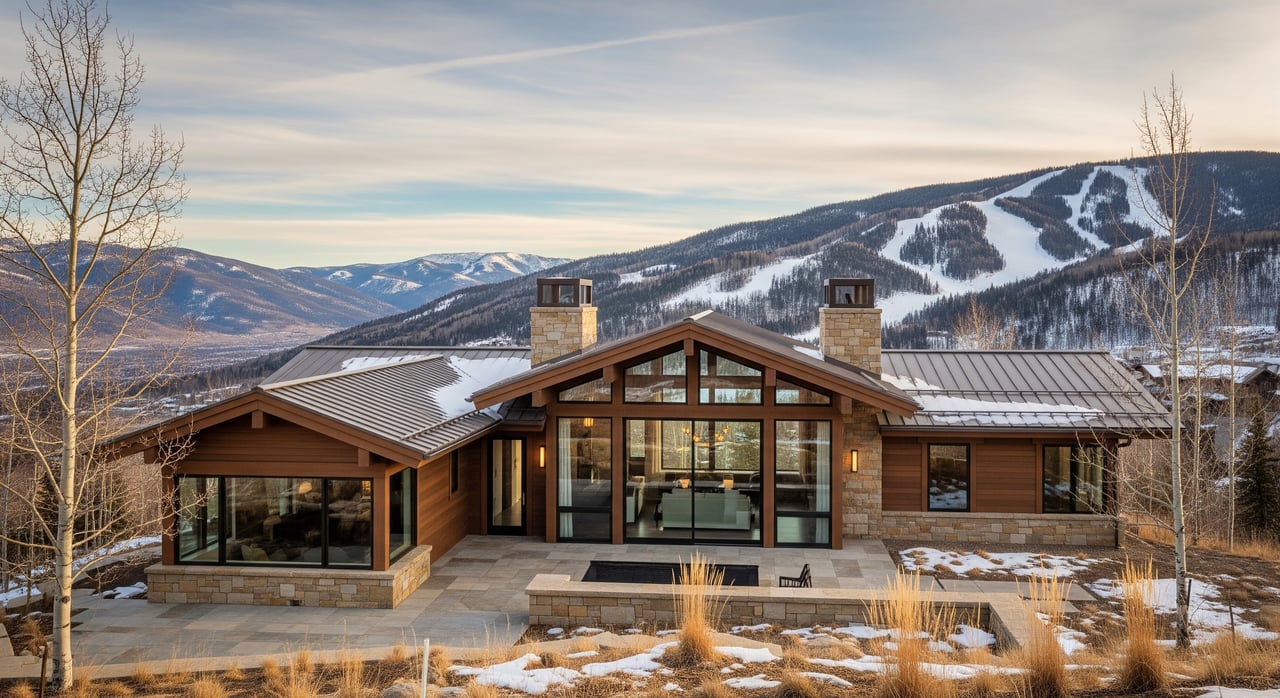
Detached homes provide yard space, privacy, and full control over your property. They fit best if you want garages, storage, and flexibility for long-term use. The tradeoff is higher maintenance, including snow removal and seasonal upkeep. Expect a higher purchase price in prime, resort-adjacent locations.
Ownership and financing basics
How ownership works
- Condo: You own the interior of your unit plus a share of common areas, while the HOA typically maintains exteriors and shared elements.
- Townhome: The structure can be set up as a condo or fee-simple; your maintenance and insurance duties depend on the legal documents.
- Single-family: You own the structure and land and handle all maintenance unless your neighborhood has an HOA with shared services.
Financing for second homes or rentals
Lenders often apply stricter project reviews for condos, including owner-occupancy ratios, reserves, and any litigation. Second homes and investment properties are classified differently, which affects down payment and reserve requirements. FHA or VA financing may depend on condominium project approvals, so ask a local lender early to confirm options. Your use plan matters, so be clear whether this is a second home or a rental.
Insurance differences
Condo owners typically carry an HO-6 policy for their unit’s interior while the HOA covers common elements. Townhome insurance depends on the legal setup and the master policy. Single-family owners carry full homeowner’s coverage and should confirm protections for mountain-specific risks like snow load and frozen pipes. Work with local insurers who understand Park City conditions.
Location and resort access
Ski proximity and neighborhoods
If you want lift access and après-ski nearby, areas like Old Town and Deer Valley tend to offer the closest connections and the strongest amenity set. Canyons Village and Redstone feature resort-style neighborhoods with a mix of condos, townhomes, and single-family options. For newer construction and easier highway access, consider Kimball Junction, Prospector, and Jeremy Ranch. Each area balances price, space, and convenience differently.
Transit and airport access
Park City operates a free, year-round bus system that connects Old Town, Kimball Junction, the resorts, and many neighborhoods. Many condominium and townhome communities near lifts offer shuttle access, which helps you skip driving. Salt Lake City International Airport is typically a 30 to 50 minute drive depending on weather and traffic. This proximity supports quick weekend trips for second-home owners.
Parking and storage tips
Condos may offer assigned garage spaces and shared ski rooms. Townhomes often include private garages, which is helpful for gear, bikes, and vehicles. Single-family homes usually provide garages, driveways, and outdoor storage options. If you plan to host guests or store multiple sets of equipment, confirm parking allocations and storage rules.
Costs and maintenance
HOA fees and what to review
HOA dues vary widely based on amenities like pools, shuttle services, and snow removal. Review the budget, reserve studies, meeting minutes, and recent special assessments. Confirm what the master insurance policy covers and what you must insure. Rules on rentals, pets, and parking can have a big impact on your plans.
Winter maintenance needs
Single-family owners should budget for driveway plowing, de-icing, and frequent checks to prevent frozen pipes. For condos and townhomes, associations often handle shared snow removal, but you may be responsible for decks, entries, and garages. Ask for utility histories and learn how the home performs in very cold stretches. Newer, energy-efficient construction can reduce winter costs.
Big-ticket items to plan for
Older condo communities may be due for roof, siding, or deck projects. Read the reserve study to see what’s coming and how it will be funded. For single-family homes, plan for roof replacement, driveway care, and exterior updates over time. Ask about any pending work and how it could affect your budget.
Utilities and operating costs
High-altitude living can increase heating and hot water needs, especially in older buildings. Some properties use snow-melt systems for driveways or walkways. Energy-efficient design and updated systems can lower monthly bills. Request utility histories during due diligence.
Rentals, taxes, and rules
Short-term rental rules vary
Short-term rental policies differ between Park City, Summit County, and each HOA. Many neighborhoods have restrictions or require licensing for transient rentals. If rental potential is important to you, verify municipal code and HOA CC&Rs early, and confirm all tax and licensing steps. You may need to collect and report lodging-related taxes.
Property taxes and assessments
Utah’s property tax rates are often considered moderate, but assessed values in Park City are high, so your total bill can be meaningful. Confirm current rates and assessments with county resources when you evaluate your budget. Also ask about any special assessments, either from the municipality or your HOA. A clear tax picture helps you compare property types on equal footing.
A simple decision framework
- Define your primary use: full-time, second home, or rental-focused.
- Pick your access priorities: ski proximity, transit, or highway access.
- Decide your maintenance tolerance: low-touch living or more hands-on.
- Map storage needs: garage, gear rooms, or extra closets.
- Review rules early: HOA policies, rental allowances, parking.
- Confirm financing path: second-home vs investment underwriting.
- Tour in different seasons: assess winter access and sun exposure.
Buyer due diligence checklist
- HOA documents: CC&Rs, bylaws, budget, reserve study, meeting minutes.
- Insurance: master policy details and your required coverage.
- Special assessments: recent history and upcoming projects.
- Rental rules: city, county, and HOA limits and licensing.
- Parking: assigned spaces, guest parking, and storage areas.
- Utilities: past bills and energy performance.
- Inspection focus: roof snow load, ice dams, drainage, and freeze protection.
- Access: driveway grade, snow storage, and plowing responsibility.
- Commute and travel: typical times to work and the airport, winter conditions.
Ready to compare your options?
Choosing the right home type in Park City comes down to how you want to live, when you plan to be here, and how much maintenance you want on your plate. If you want ease and amenities, a condo or townhome may be best. If you want privacy, storage, and long-term flexibility, a single-family home could be the right move. For warm, bilingual guidance in English or Spanish and a tailored plan for your lifestyle, connect with Florencia Barrera.
FAQs
Which Park City home type is best for a lock-and-leave second home?
- Condos or full-service townhomes work best because HOAs handle most exterior maintenance and common areas, keeping your on-site tasks low.
Can I rent my Park City property short term?
- Possibly, but rules vary by city, county, and HOA, so verify permits, licensing, and tax obligations before assuming any rental income.
How do HOA fees compare with owning a single-family home in Park City?
- HOA dues add predictable monthly costs but reduce your maintenance workload; single-family ownership shifts those costs to you and can vary more.
Do condos have stricter financing requirements in Park City?
- Yes, lenders often review condo projects for factors like reserves and owner-occupancy; FHA or VA options may depend on project approvals.
Which neighborhoods offer the best ski access in Park City?
- Areas around Old Town and Deer Valley provide the closest proximity to lifts, while Canyons Village also offers strong access and amenities.
How far is Park City from the airport if I buy a second home?
- Typical drive time to Salt Lake City International Airport is around 30 to 50 minutes depending on weather and traffic.