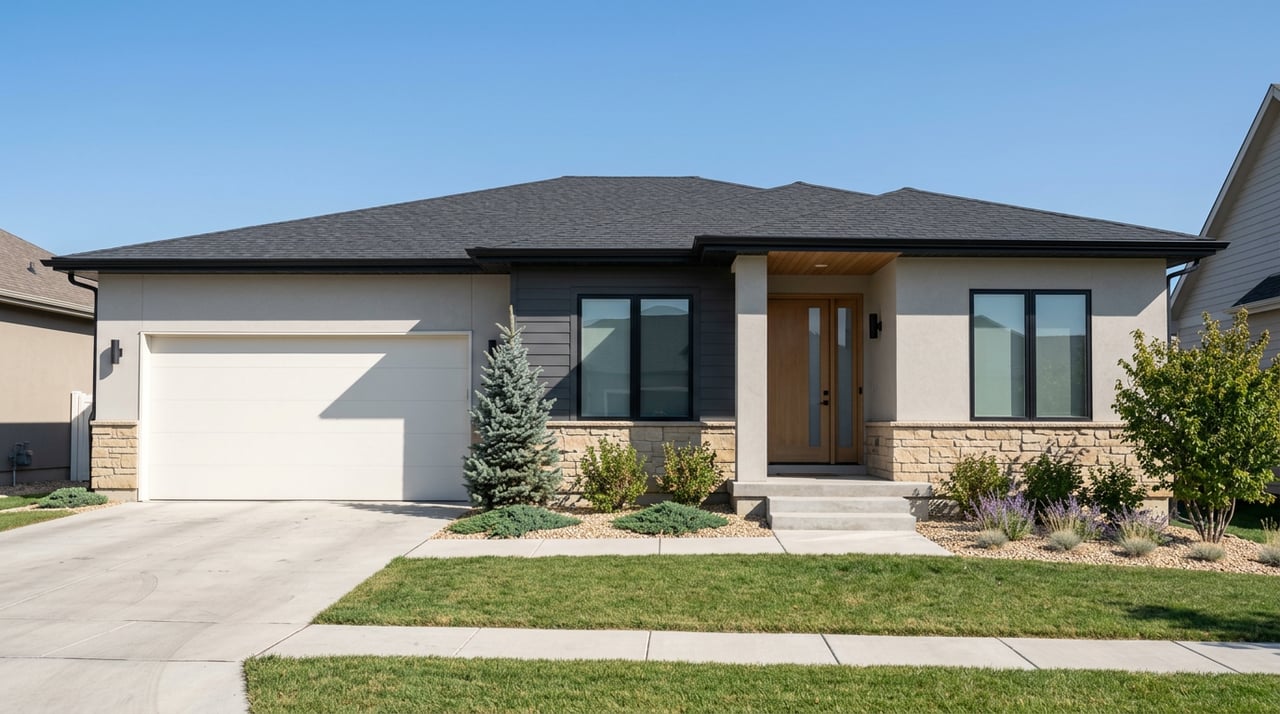
Buying your first home in West Valley City can feel big, but it does not need to be confusing. You might be wondering how much you need, which loan fits you, and whether there is help for your down payment. You will find clear steps, real numbers for our local market, and programs that can lower your cash to close. Let’s dive in.
West Valley City costs today
As of January 2026, typical home values in West Valley City are in the mid-$400,000s. Zillow reports a typical value around $463,850 for the city at that time. You can review the latest figures on the West Valley City home values page.
Prices vary by neighborhood. Sub-areas like Hunter, Hunter West, and East Granger show different medians and trends. For a quick overview of neighborhood-level patterns, see West Valley City market context, and check the live MLS with your agent for the most current listings.
For first-time buyers at these prices, the biggest hurdle is often the down payment and closing costs. The good news is that West Valley City and the State of Utah offer down-payment assistance that can reduce your upfront cash.
Your loan options in one glance
Choosing the right mortgage shapes your monthly payment and cash to close. Here are common first-time buyer pathways:
FHA loan
- Minimum down payment: 3.5% with a 580+ credit score (lender requirements can be higher).
- Often more flexible on credit and debt-to-income. Private mortgage insurance is required.
- Learn more about FHA credit basics from this FHA reference overview.
Conventional 3% down (Fannie Mae HomeReady and similar)
- Minimum down payment: 3% with around a 620+ credit score and income limits tied to area median income.
- Can offer lower monthly mortgage insurance than FHA for some buyers.
- Review HomeReady highlights on Fannie Mae’s HomeReady page.
VA and USDA loans
- VA offers zero-down for eligible veterans and service members.
- USDA can be zero-down in eligible rural areas; not all West Valley City addresses qualify.
- Confirm eligibility with your lender.
Down payment help you can use
West Valley City first-time buyer grant
West Valley City operates a local down-payment assistance program for eligible first-time buyers with low-to-moderate incomes. Recent program materials commonly cite awards up to $14,999, subject to funding, program rules, and a first-come process. These programs typically require primary residence occupancy, a minimum buyer contribution, a qualifying credit score, and homebuyer education. Many city programs record a subordinate lien and set forgiveness or repayment rules. Always confirm current details and availability on the city’s site or by contacting the Grants Division listed on the West Valley City Grants FAQ.
Utah’s $20,000 new-construction program (SB240)
Utah created the First-Time Homebuyer Assistance Program (SB240) that provides up to $20,000 for qualifying first-time buyers who purchase newly constructed homes priced at or below $450,000. The original bill language describes 0% interest with deferred repayment at sale or refinance, and the program is administered through the Utah Housing Corporation (UHC). Funds are limited and targeted to new construction, so timing matters. Read the bill summary on the Utah Legislature’s SB240 page.
Utah Housing Corporation (UHC) DPA options
UHC pairs first-mortgage products with down-payment assistance in the form of second mortgages. Many lender guides describe assistance in the 4% to 6% range of the first mortgage amount, with program caps that sit in the low-to-mid tens of thousands. Some options are repayable; recent updates have added deferred or no-payment variants. Because details can change, contact a participating UHC lender or UHC directly to confirm current products, income limits, and credit score minimums. For a general overview, see this Utah first-time buyer program summary.
Can you stack programs?
Sometimes. Buyers may combine a city grant with a UHC first mortgage and UHC down-payment assistance, but stacking depends on each program’s rules. Most programs require you to complete HUD-approved homebuyer education, meet income and credit standards, and occupy the home as your primary residence. Confirm stackability early with your lender and the grant administrator. Start with the West Valley City Grants FAQ and a call to a UHC-participating lender.
Step-by-step: How to buy in West Valley City
- Budget and credit check
- Review your monthly budget and run a soft credit check. Fix errors and reduce balances where you can.
- HUD-approved housing counseling agencies offer free or low-cost help, often in Spanish, for budgeting and credit planning. Find local counselors through the HUD counseling agency locator.
- Homebuyer education and local counseling
- Many assistance programs require a HUD-approved education certificate. Completing it early speeds up approvals.
- Ask local nonprofits like NeighborWorks Salt Lake or CDCU if they offer counseling and classes in Spanish. When you call, ask, “Do you provide counseling and education in Spanish?”
- Get a lender pre-approval
- A pre-approval reviews your income, assets, and credit to issue a conditional letter. It is stronger than a simple pre-qualification.
- Be ready to provide pay stubs, W-2s, bank statements, and ID.
- After you submit a complete application, your lender must deliver a Loan Estimate within three business days, which helps you compare costs. See the CFPB’s summary of timing in this Know Before You Owe reference.
- Search and tour homes
- Focus on neighborhoods that fit your budget, commute, and lifestyle. West Valley City benefits from TRAX Green Line connectivity, nearby shopping, and quick freeway access.
- Expect price differences by sub-area and home type. Check current listings with your agent and review a neighborhood overview like this market context.
- Make an offer and deposit earnest money
- Your earnest money shows commitment and is typically held by the brokerage or title company per the contract.
- Amounts vary by deal; many Utah offers use 1% to 3% of the purchase price, subject to negotiation.
- Understand your inspection and financing contingency deadlines. Utah buyers commonly use UAR forms and the REPC; your agent will walk you through each timeline.
- Inspections and repairs or credits
- You choose and hire inspectors. After reports arrive, you can negotiate repairs or a closing credit with the seller.
- If you use city-administered assistance, the home may need to pass extra eligibility checks. Call the grant administrator early to understand property requirements noted in the West Valley City Grants FAQ.
- Appraisal, underwriting, title, and HOA review
- Your lender orders the appraisal to confirm value. The title company runs a title search and prepares closing documents.
- For condos and many townhomes, you will receive HOA documents and have a review window.
- Keeping your lender and title company aligned helps avoid last-minute delays. For a look at Utah closing document workflows, see this guide to closing packets and timelines.
- Closing Disclosure and closing day
- Federal TRID rules require that you receive your Closing Disclosure at least three business days before you sign. If a material change triggers a re-disclosure, the three-day clock can reset.
- Plan your contract dates around this rule to protect your move-in timeline. The CFPB explains the timing in this Know Before You Owe summary.
Example: How much cash to close?
Let’s use the local median for a simple estimate. As of January 2026, Zillow shows a typical West Valley City value near $463,850.
FHA example at 3.5% down
- Down payment: about $16,235 on a $463,850 price.
- Add closing costs from your lender’s Loan Estimate. Assistance can often be applied to part of the down payment and sometimes to closing costs, depending on the program.
Conventional example at 3% down
- Down payment: about $13,916 on a $463,850 price.
- Add closing costs per your Loan Estimate.
How assistance can help
- A West Valley City grant up to $14,999, if available and you qualify, could offset a large portion of the down payment. See the city’s Grants FAQ for current terms.
- If you are buying qualifying new construction at or below $450,000, Utah’s SB240 program can provide up to $20,000, subject to availability. Review details on the Utah Legislature’s SB240 page.
- UHC down-payment assistance, often 4% to 6% of the first mortgage, may also reduce what you bring to closing. See this Utah program overview, then confirm current options with a UHC-participating lender.
Your exact numbers will depend on the loan type, mortgage insurance, taxes and insurance, and any assistance you use. Your lender’s Loan Estimate and your Closing Disclosure will spell out the final cash to close.
Bilingual support and Spanish resources
If you prefer Spanish or want added clarity, you have options:
- HUD-approved housing counseling in Spanish. Use the HUD counseling agency locator to find agencies in Salt Lake County. Ask about Spanish-language counseling, homebuyer classes, and help applying for assistance.
- Work with bilingual real estate and mortgage professionals. Clear communication around contract deadlines, assistance rules, and closing documents reduces risk and stress.
- Expect high-touch service. Ask for a simple deadline calendar, a translated checklist, and a walk-through of your Closing Disclosure before signing.
Timeline and contract checkpoints
Most conventional purchases in Utah close in about 30 to 45 days after your offer is accepted. The appraisal, loan underwriting, and title work happen during this window, and your lender must deliver your Closing Disclosure at least three business days before you sign. If terms change late in the process, the TRID clock may reset and delay closing. Planning your dates with your lender and title company helps keep everything on track. For a deeper look at closing documents and timing, see this Utah closing overview.
Ready to take the next step? Get a pre-approval, line up your education certificate, and explore city and state assistance early. If you want a clear, bilingual plan from search to closing, reach out to Florencia Barrera for step-by-step guidance tailored to West Valley City.
FAQs
How much money do I need to buy a home in West Valley City in 2026?
- Using a typical value around $463,850 as of January 2026, an FHA loan at 3.5% down is about $16,235 and a conventional 3% down is about $13,916, plus closing costs; local grants and Utah programs can reduce your cash to close if you qualify, so start by confirming assistance on the West Valley City Grants FAQ and reviewing loan options.
Can I combine West Valley City grants with Utah Housing assistance?
- Sometimes yes, but it depends on program rules; many combinations require a participating UHC lender, income and credit eligibility, and a HUD-approved education certificate, so verify stackability early with your lender and the city’s Grants Division using the West Valley City Grants FAQ.
Do I have to repay the West Valley City down-payment grant?
- Terms vary by program and award cycle; many local awards are forgivable if you meet residency terms or are deferred with repayment at sale or refinance, so confirm current rules with the Grants Division on the city’s FAQ page.
How long does closing take in Utah for first-time buyers?
- Most closings take 30 to 45 days after your offer is accepted, and federal rules require your Closing Disclosure to arrive at least three business days before you sign; late changes can reset that three-day clock, so plan contract dates with your lender and title company and review the CFPB’s timing guidance in this Know Before You Owe summary.