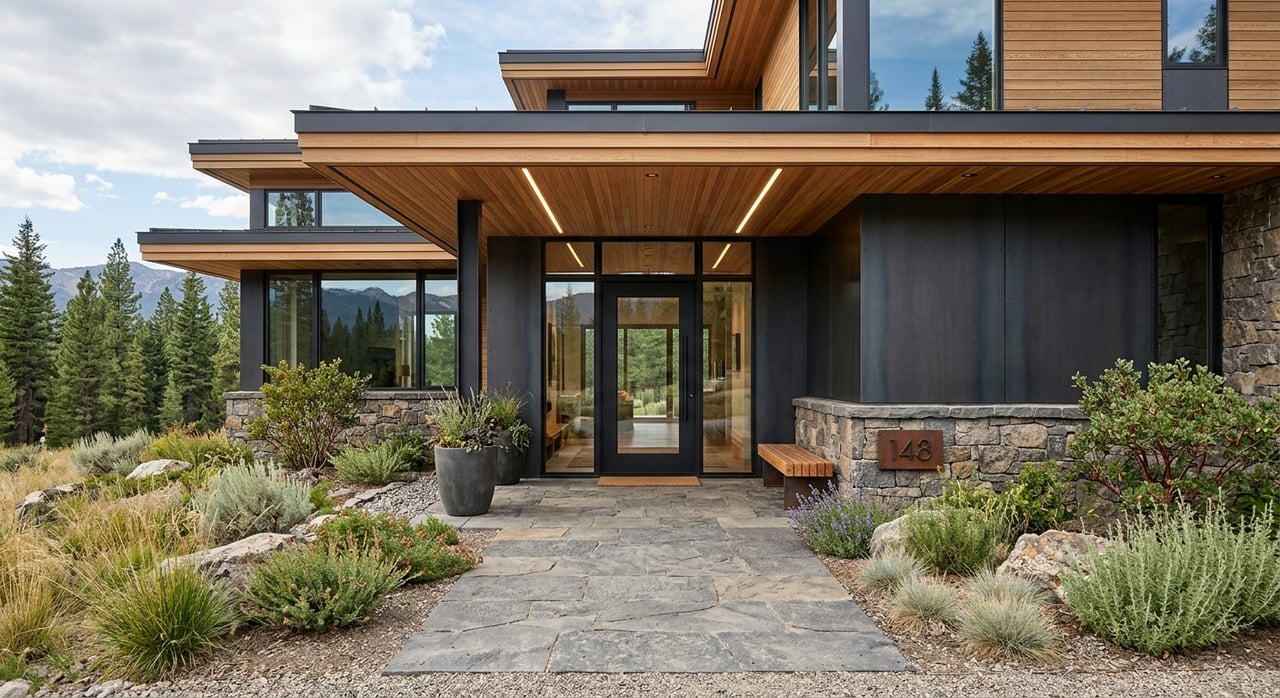
If you are thinking about buying in Park City, you already know one big truth: not every neighborhood delivers the same lifestyle. One area may put you close to ski access and Main Street, while another may give you newer homes, easier commuting, or a quieter residential feel. The right choice depends on how you want to live day to day, not just what looks good on a map. This guide will help you sort through the main tradeoffs so you can choose a Park City neighborhood with more clarity and confidence. Let’s dive in.
Start With Your Priorities
Park City is a resort-oriented mountain town with about 8,500 full-time residents, more than 7,000 acres of preserved open space, over 350 miles of recreational trails, and fare-free transit. That means your neighborhood decision often comes down to lifestyle details like ski access, walkability, housing style, and commuting convenience.
Before you focus on specific areas, ask yourself what matters most in your everyday routine. In Park City, buyers usually narrow the field faster by comparing tradeoffs than by looking at price alone.
Ask These Five Questions First
- Do you want ski access to be your top priority?
- Do you prefer a walkable area or easier driving and parking?
- Are you looking for a primary-residence feel or a more seasonal market?
- Do you want older character or newer construction?
- Do you need quick access to transit, park-and-ride options, or major roads like US-40?
Those questions can point you toward the right area much faster than browsing listings without a plan.
Choose Based on Lifestyle
Old Town for Historic Walkability
Old Town is Park City’s historic core, with more than 400 historic sites and two National Register historic districts. It is the area most closely tied to Main Street energy, ski-town charm, and a highly walkable setting.
If you want to be close to dining, shopping, and the heart of town, Old Town often stands out first. At the same time, you should be comfortable with older housing stock, infill development, and tighter parking conditions.
The city uses paid parking in city-owned Old Town lots, and transit is positioned as a car-light alternative. If you love the idea of walking more and driving less, that may feel like a fair trade.
Prospector for Central Convenience
Prospector offers a more mixed residential feel than Old Town. The area includes a variety of housing types, including condos and apartment-style options, and it sits close to the Rail Trail and the larger pathway network.
City neighborhood analysis shows a mix of full-time and non-primary homes in Bonanza Park and Prospector, which gives the area a more blended ownership pattern. For many buyers, that means a practical middle ground between resort atmosphere and everyday convenience.
If you want lower-maintenance living near central amenities and trail access, Prospector is worth a serious look. It can be a strong fit if you like being close to things without needing the full Main Street experience.
Park Meadows and Thaynes Canyon for Residential Feel
Park Meadows and Thaynes Canyon are often appealing if you want a more local residential setting. In the city’s neighborhood analysis, both were categorized as local residential neighborhoods.
These areas also reflect a more spread-out housing pattern. Transit planning identified parts of upper Park Meadows and Thaynes as better suited to microtransit than a standard full-size bus, which suggests a quieter and more dispersed layout.
You may be drawn here if you want proximity to golf, trails, and ski terrain without being in the middle of the busiest resort zones. Park City Golf Club in Thaynes Canyon adds another lifestyle benefit for buyers who want easy access to recreation.
Deer Valley for Resort-Adjacent Living
Deer Valley has long been a major draw for buyers who want resort access and a polished mountain setting. In the city’s neighborhood analysis, Upper Deer Valley, Lower Deer Valley, and Resort Center were categorized as second-home neighborhoods.
That distinction matters because it can shape the feel of the area throughout the year. If you are comfortable buying in a market with more seasonal ownership patterns, Deer Valley may be a strong match.
Deer Valley is also expanding through East Village, a new base area that includes skier services, lodging, retail, and dining. For ski-focused buyers, that growing access pattern is an important part of the conversation.
Kimball Junction for Everyday Access
Kimball Junction is the Snyderville Basin’s designated Town Center and the area’s primary retail and commercial district. Recent development has added residential, workforce housing, lodging, entertainment, and social uses.
This area often fits buyers who value convenience first. You may appreciate easier access to shopping, services, commuter routes, and newer mixed-use development.
At the same time, county planning documents note traffic congestion and a difficult pedestrian environment. If your priority is everyday functionality over historic charm or ski-in, ski-out ambiance, Kimball Junction may still check the right boxes.
The area is also positioned for more growth. Summit County approved a Housing and Transit Reinvestment Zone in 2026 covering about 60 acres within one-third of a mile of the transit center, which points to more mixed-use and housing activity ahead.
Quinn’s Junction for Newer Homes
If newer construction is high on your list, Quinn’s Junction deserves attention. Park City Heights is a notable neighborhood there, with a planned total of 239 homes that include townhomes and single-family homes.
The area also has direct access to the Quinn’s Junction trail network, which supports an outdoors-focused lifestyle. On-demand transit service has also been added for Quinn’s Junction and Park City Heights.
For buyers who want a more modern housing option with easier access to US-40 and the basin, this area can feel practical and fresh. It may be especially appealing if you want to balance Park City access with a less historic housing stock.
Basin Communities for Commuter Flexibility
The Snyderville Basin includes communities such as Silver Creek, Pinebrook, Jeremy Ranch, Summit Park, and Old Ranch Road. These are unincorporated county neighborhoods rather than Park City city neighborhoods.
For many buyers, these areas function as more suburban or commuter-oriented alternatives to the resort core. Park-and-ride connections from places like Jeremy Ranch, Ecker Hill, Kimball Junction, and Richardson Flat support that pattern.
If you want more separation from the resort center and value road access, these surrounding communities may offer the kind of daily rhythm you prefer.
Match Your Top Priority to the Right Area
Sometimes the easiest way to choose is to work backward from your top goal. Here is a simple way to think about it.
If Ski Access Comes First
Look closely at Old Town, Mountain Village, Canyons Village, and Deer Valley including East Village. Park City Mountain identifies Old Town, Mountain Village, and Canyons Village as its three gateways, while Deer Valley East Village is building out as a modern base area.
If your ideal day starts with getting on the mountain quickly, your access pattern matters as much as the neighborhood name. Think about which resort base you want to live near and how you want that access to feel.
If Walkability Matters Most
Old Town and Prospector are two of the strongest options. Old Town gives you the most traditional ski-town walkable environment, while Prospector offers strong trail and pathway connections with a more mixed-use feel.
If you picture yourself walking to daily activities more often than driving, those two areas should likely be near the top of your list.
If You Want Newer Construction
Kimball Junction and Quinn’s Junction stand out. Kimball Junction is evolving as a mixed-use town center, while Park City Heights in Quinn’s Junction includes newer townhomes and single-family homes.
If updated layouts, lower-maintenance finishes, or a more modern neighborhood plan matter to you, these areas may offer a better fit than Park City’s older core neighborhoods.
If You Want a More Local Feel
Park Meadows and Thaynes Canyon are strong options inside Park City. In the broader basin, communities like Jeremy Ranch and Pinebrook can also appeal to buyers looking for a more residential day-to-day setting.
If your goal is to feel connected to the area year-round rather than centered on resort activity, these neighborhoods deserve extra attention.
If You Want Car-Light Living
Old Town, Prospector, Kimball Junction, and Quinn’s Junction all benefit from Park City’s fare-free transit, pathway network, and related park-and-ride connections. If you want flexibility to get around without relying on your car every time, these areas may support that lifestyle more easily.
Watch the Tradeoffs, Not Just the Listing
A beautiful home can still be the wrong fit if the neighborhood does not support your routine. In Park City, the biggest mismatches often happen when buyers focus on finishes and views before thinking through access, parking, seasonality, and daily convenience.
A condo in Old Town may give you walkability and atmosphere but ask you to accept parking friction. A home in Kimball Junction may make errands and commuting easier but feel less like a classic ski town. A property near Deer Valley may offer strong resort appeal while sitting in a more second-home-driven setting.
The goal is not to find the “best” neighborhood in general. The goal is to find the best neighborhood for how you want to live.
A Smart Way to Narrow Your Search
If you are still deciding, try touring Park City in clusters. Compare Old Town and Prospector on the same day if you are choosing between walkability and convenience. Pair Park Meadows or Thaynes Canyon with Deer Valley if you are deciding between residential feel and resort access. Visit Kimball Junction and Quinn’s Junction together if newer development and commuter access are your top priorities.
That side-by-side approach often makes the differences much clearer. What feels small online can feel major in person once you see the roads, parking setup, trail access, and overall pace of each area.
Buying in Park City is about more than finding a property you like. It is about choosing the mountain lifestyle that fits you best now and in the years ahead.
If you want help comparing Park City neighborhoods based on your goals, Florencia Barrera offers warm, responsive guidance with the local perspective and personal support that can make your search feel much more manageable.
FAQs
What is the best Park City neighborhood for walkability?
- Old Town is the strongest choice for a walkable historic ski-town setting, and Prospector is also a solid option because of its central location and pathway access.
What is the best Park City area for newer homes?
- Quinn’s Junction, especially Park City Heights, and Kimball Junction are two of the best places to look if newer construction and modern mixed-use development matter to you.
Which Park City neighborhoods feel more residential?
- Park Meadows and Thaynes Canyon are identified in the city’s neighborhood analysis as local residential neighborhoods, and some Snyderville Basin communities also offer a more suburban daily feel.
Which Park City neighborhoods are best for ski access?
- Old Town, Mountain Village, Canyons Village, and Deer Valley including East Village are the key areas to explore if ski access is your top priority.
Is Kimball Junction a good fit for Park City buyers?
- Kimball Junction can be a strong fit if you value shopping, services, commuter access, and newer mixed-use growth more than historic character or resort-style ambiance.
How do I choose between Old Town and Deer Valley in Park City?
- Old Town is usually better for buyers who want Main Street energy and walkability, while Deer Valley may fit better if you prefer a resort-adjacent setting and are comfortable with a more second-home-oriented market.